Your starting note
- The architectural problem and who encounters it.
- The information or inputs a method would need.
- Your proposed technical or research contribution.

Research / From practice to a tool
Define the task, build a limited prototype, and examine where it helps—or fails.
Research and development pathwayEducation / Research Labs
Five English teaching apps turn post-disaster reconstruction questions into interactive decisions. Change a synthetic scenario, follow the calculation and explore how different users could apply the research.
Educational demonstrations with synthetic data, explicit assumptions and scholarly references. Research maturity and model limitations are shown inside each app.
01 / Worked example
The intelligent plan-review project is in development. This example illustrates the method, not an operational review service.
02 / Evaluation changes the tool
Test representative cases, missed issues, false alarms and uncertain inputs. Record the limits before considering integration.
↶ Feedback returns to people and the next project.
01 / People
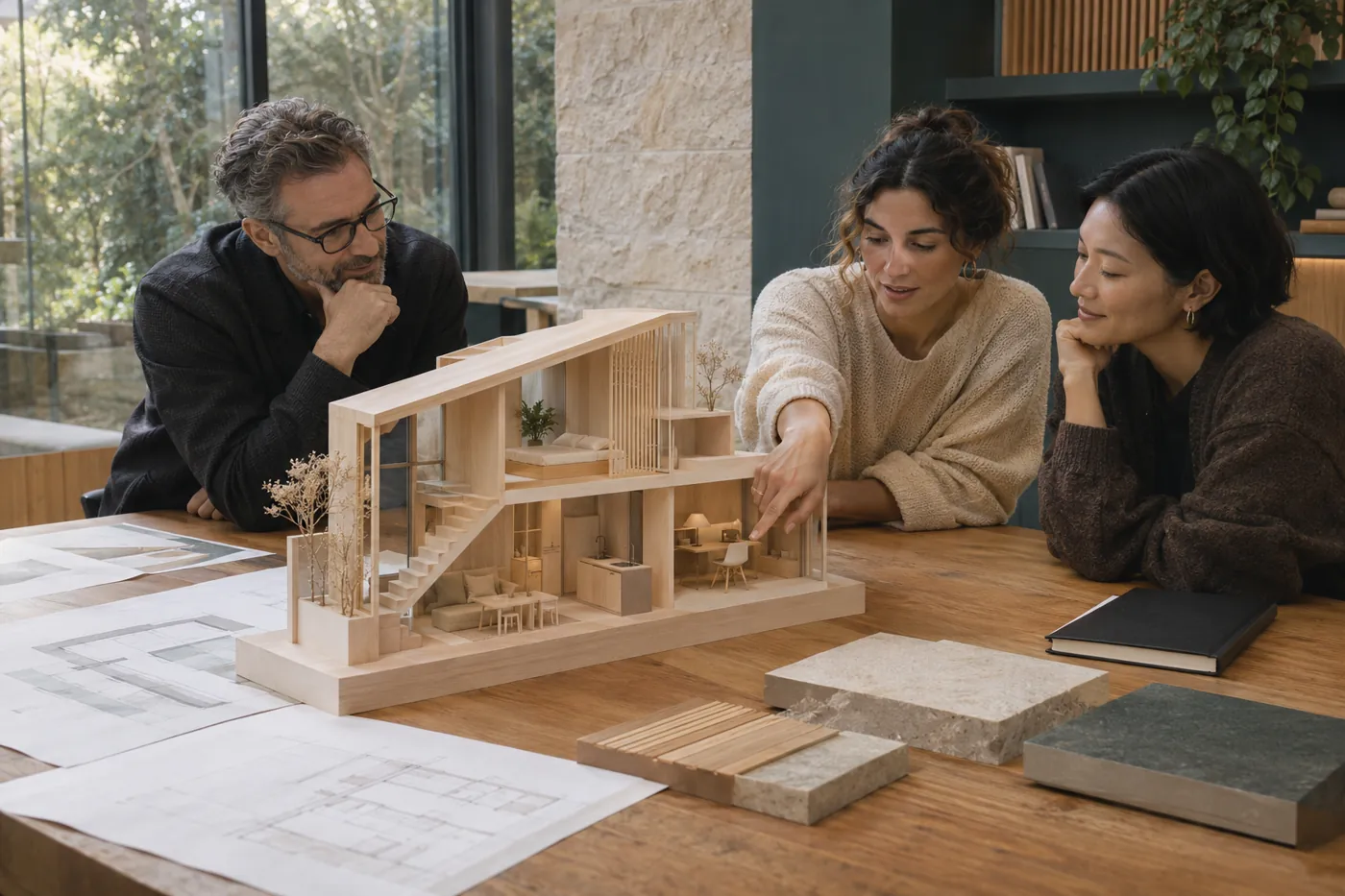
A resident wants a quiet place to work. The starting point is how people use a space.
02 / Architects
A designer compares a shared work nook with an enclosed room and explains the trade-offs.
03 / A real question
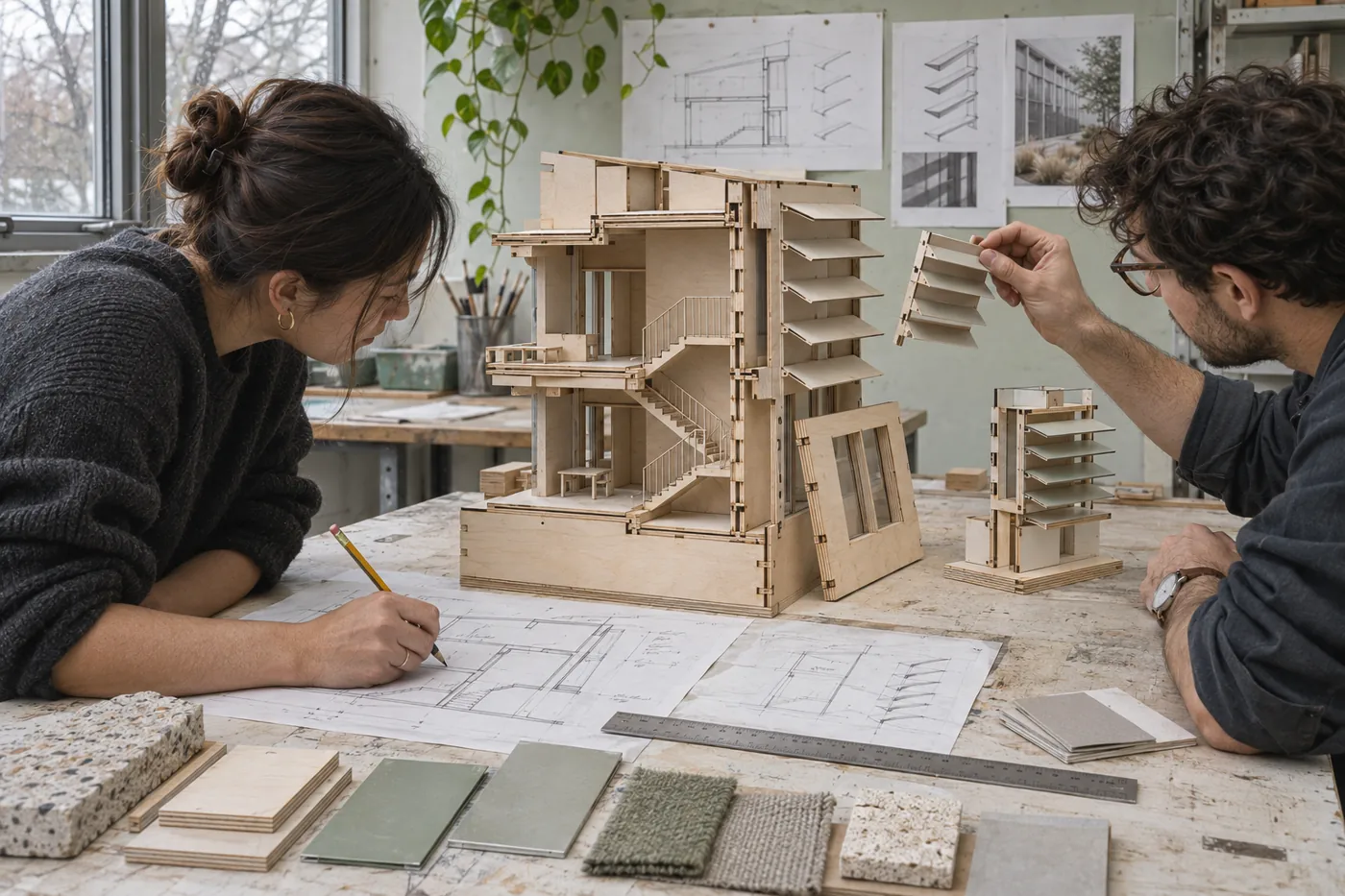
Which checks would help a professional assess a proposal, and what information do they need?
04 / Research & prototype
Researchers, specialists and developers build a limited prototype with explicit assumptions.
05 / Evaluate
Specialists compare outputs, missed issues and false alarms. Revise before product use.
06 / Use & feedback
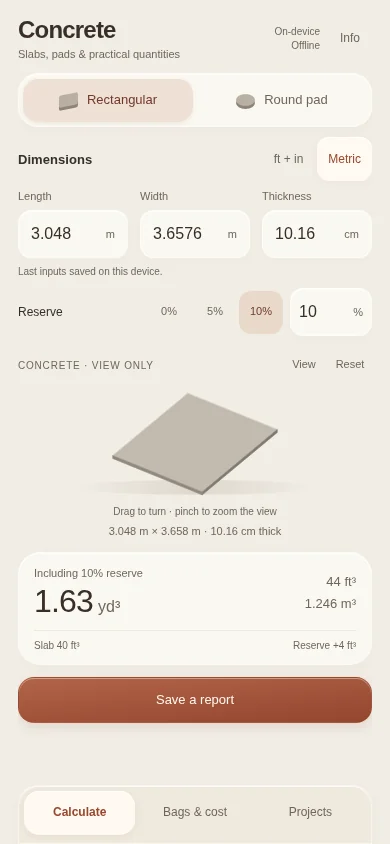
A useful tool supports one task. Feedback from use becomes a new design or research question.
Long-term research direction
Extend tested capabilities toward more complex habitats.
03 / Join a focused investigation
Researchers, students, specialists and developers contribute different parts of the same investigation.
Automated checks do not replace professional assessment. The email link opens your email app; it does not create a membership.
An evaluation bench
Explore four kinds of result a development team should investigate.
The prototype points to a location and explains its criterion. A specialist still checks the geometry, applicability and available evidence.